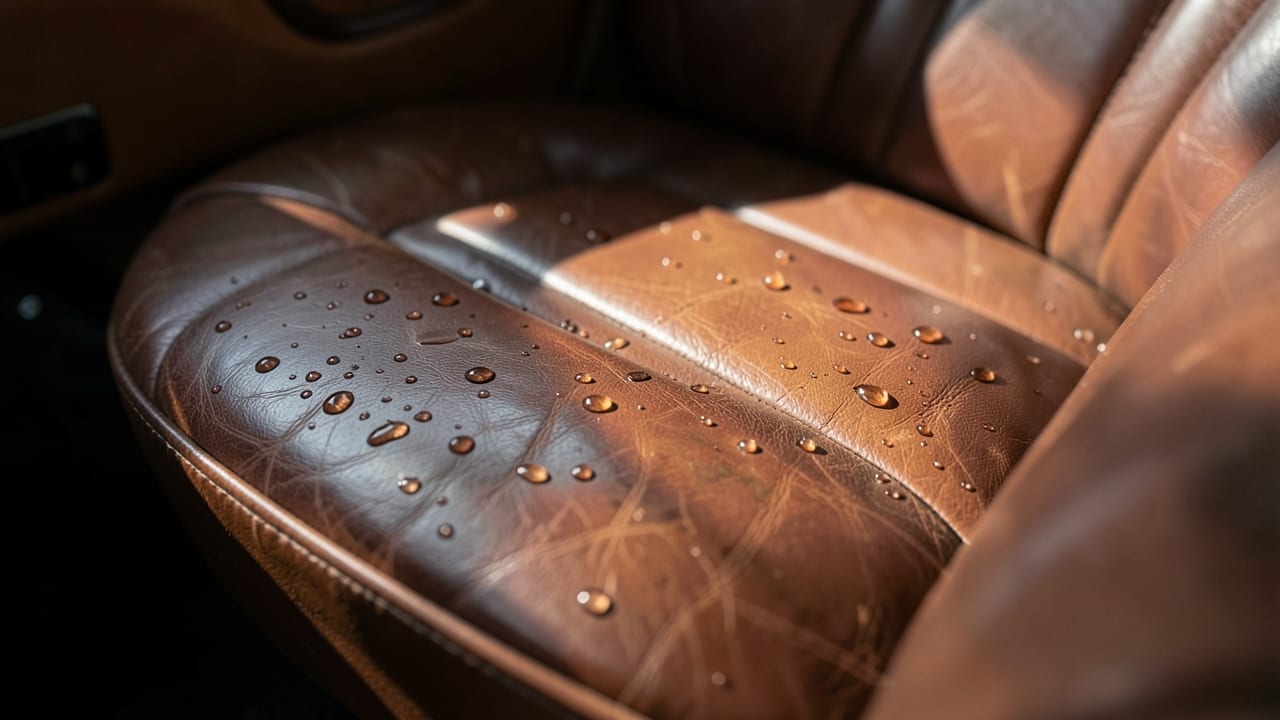
Interior Ceramic Protection
Interior fabric, leather, and trim ceramic protection in Albuquerque, NM — guards against spills, UV fading, and daily wear.
Protect your vehicle’s interior in Albuquerque, NM with professional ceramic coatings. Guard against UV fading, spills, body oils, and daily wear on fabric, leather, vinyl, and hard plastics to keep surfaces looking newer, longer.
Why Albuquerque Drivers Need Interior Ceramic Protection
Albuquerque’s intense sun, dust, and temperature swings accelerate interior wear. UV rays fade dashboards and door panels, while body oils, spills, and friction degrade fabric, leather, and vinyl over time. Without protection, surfaces absorb stains, crack, or develop a dull, chalky appearance.
We also handle Vinyl Wrap Installation and Leather Conditioning for Albuquerque vehicles.
Our ceramic coatings create an invisible barrier that repels liquids, resists UV damage, and slows the effects of daily use. Fabric stays stain-resistant, leather avoids dye transfer and cracking, and plastics retain their factory finish—even after years of New Mexico sun.
Signs Your Interior Needs Ceramic Protection
- Fabric or carpet stains that won’t lift with regular cleaning
- Leather or vinyl surfaces that look dry, cracked, or faded
- Hard plastic trim with a chalky, sun-bleached appearance
- Frequent spills or pet hair that cling to upholstery
- Dashboard or door panels that feel rough or sticky from body oils
What’s Covered in Our Service
We treat all high-wear interior surfaces with material-specific ceramic coatings. Fabric and carpet receive a hydrophobic treatment that causes liquids to bead and roll off, while leather and vinyl get a protective layer that guards against UV damage, dye transfer, and body-oil buildup.
Hard plastics, trim, and touchscreens are coated to resist fingerprints, UV fading, and the dull, chalky look that develops over time. Each surface is prepared with a deep clean to ensure the coating bonds to a pristine surface, not trapped dirt or oils.
| Surface Type | Protection Benefit | Maintenance Impact |
|---|---|---|
| Fabric & Carpet | Liquids bead and wipe away; stains set more slowly | Reduces need for frequent deep cleaning |
| Leather & Vinyl | Resists UV cracking, dye transfer, and body oils | Stays supple with less conditioner |
| Hard Plastics & Trim | Prevents UV fading and chalky discoloration | Retains factory-fresh appearance |
| Touchscreens | Repels fingerprints and smudges | Easier to clean; improves visibility |
How Interior Ceramic Protection Works
Our process ensures a clean, durable bond for long-lasting protection.
- 1Deep Cleaning
We start with a thorough vacuum, followed by steam or hot-water extraction for fabric and a dedicated leather cleaner for leather surfaces to remove embedded dirt, oils, and odors.
- 2Surface Preparation
Hard plastics, trim, and touchscreens are cleaned with a specialized degreaser to remove any existing residue, ensuring the coating adheres properly.
- 3Material-Specific Coating Application
Fabric and carpet receive a hydrophobic coating, while leather, vinyl, and hard plastics get their own formulated protection. Each is applied evenly and allowed to cure.
- 4Final Inspection
We verify that all surfaces are properly coated and free of streaks or missed spots, ensuring consistent protection throughout your vehicle’s interior.
Frequently Asked Questions
How long does the ceramic coating last on my car’s interior?
With proper care, interior ceramic coatings typically last 3–5 years. Fabric and leather may need a refresh sooner in high-wear areas, but the protection significantly slows staining and fading compared to untreated surfaces.
Will the coating make my leather or fabric feel different?
No. The coatings are virtually undetectable to the touch—your leather will still feel like leather, and fabric will retain its natural texture. The only difference is improved resistance to stains, UV damage, and wear.
Does interior ceramic protection require special cleaning products?
No special products are needed. For fabric, a damp cloth or mild cleaner will remove spills before they set. Leather can be wiped clean with a soft cloth and occasional light conditioner. Avoid harsh chemicals or abrasive tools.
How much does interior ceramic protection cost in Albuquerque?
Pricing varies based on your vehicle’s interior size and material mix (e.g., all-leather vs. cloth/vinyl). Call for a personalized quote—we’ll assess your needs and provide a transparent estimate.
See San Antonito, NM for more, or explore the rest of our Albuquerque lineup side by side for our complete lineup.
Ready to get started?
Talk to a local ceramic coating pro in Albuquerque — get a written quote.
Other Ceramic Coating Services in Albuquerque
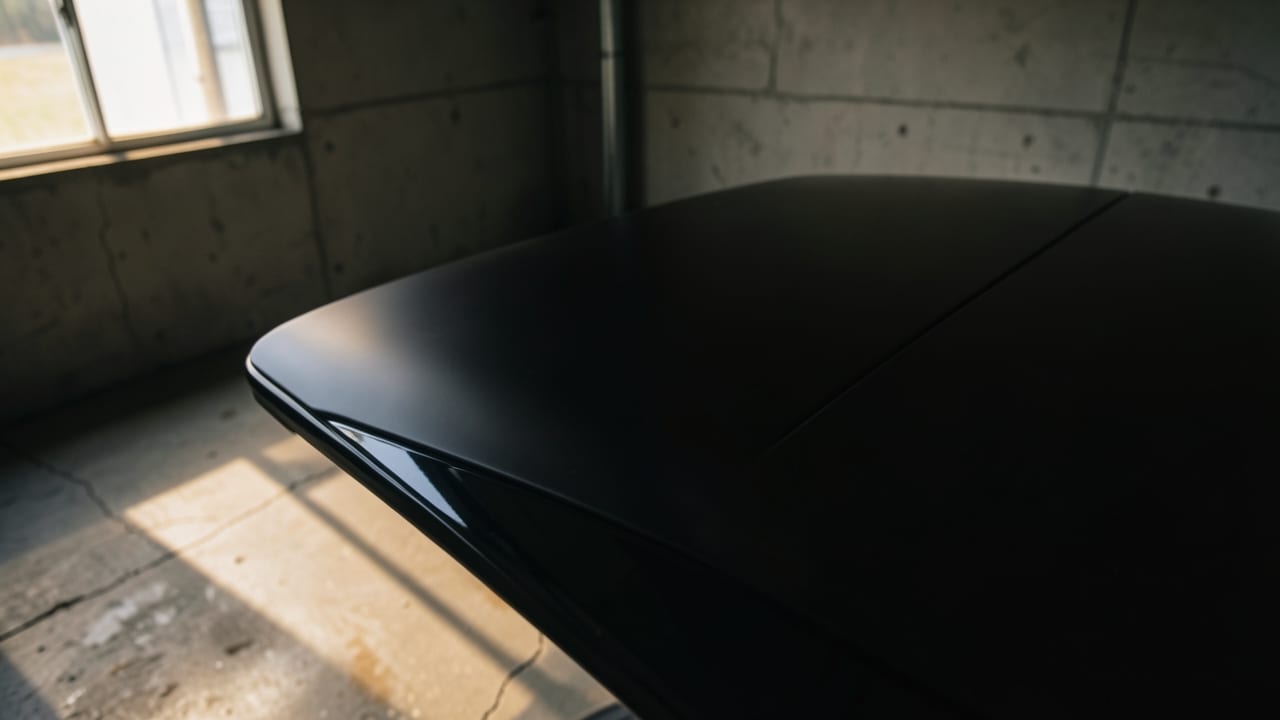
Vinyl Wrap Installation in Albuquerque, NM
Professional application of vinyl wraps to protect or customize vehicle surfaces.
Learn More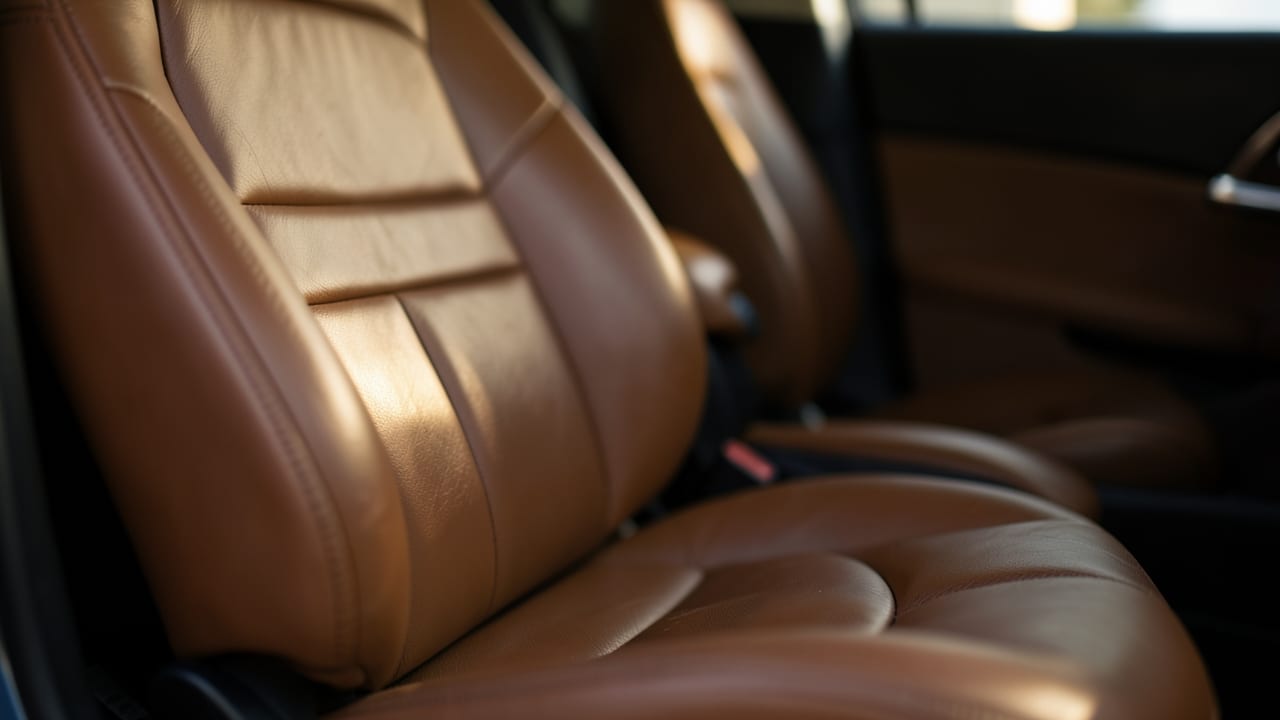
Leather Conditioning in Albuquerque, NM
Professional application of ceramic coatings to protect and condition leather surfaces.
Learn More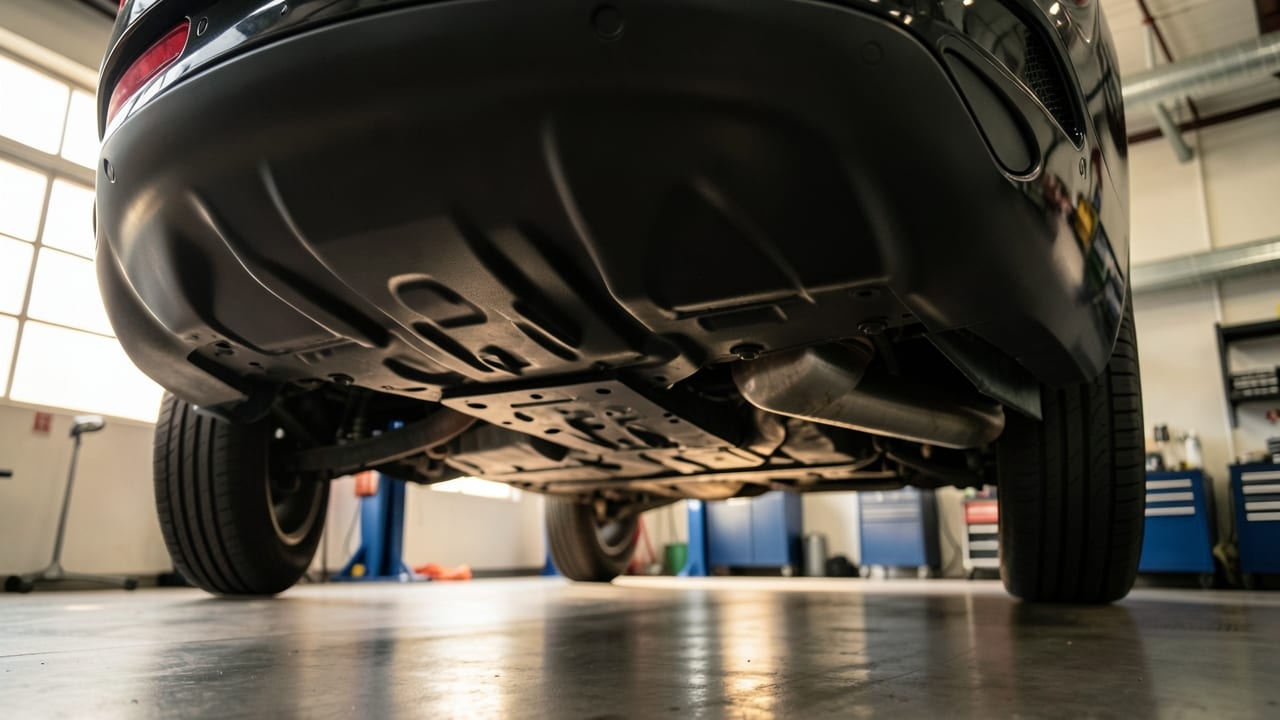
Undercoating Rustproofing in Albuquerque, NM
Ceramic undercoating applied to vehicle chassis to prevent rust and corrosion.
Learn More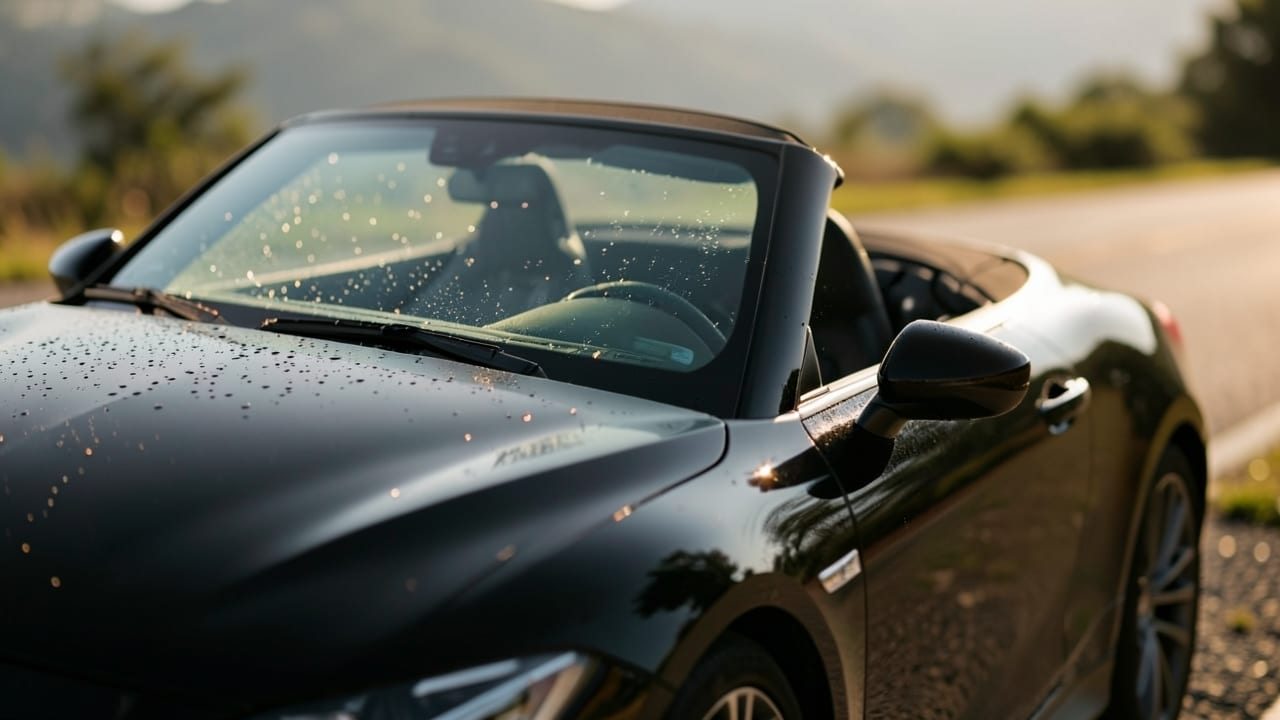
Convertible Top Protection in Albuquerque, NM
Ceramic coating and protective treatments applied to convertible tops for durability and UV resistance.
Learn More
RV Paint Protection in Albuquerque, NM
Ceramic coatings and protective sealants applied to RV exteriors to shield paint from UV, dirt, and scratches.
Learn More
Metal Surface Anti-Corrosion in Albuquerque, NM
Ceramic coatings and specialized paints applied to metal surfaces to prevent rust and corrosion.
Learn MoreCommon Questions About Ceramic Coating in Albuquerque
Everything you need to know about ceramic coating services in Albuquerque
How much does Interior Ceramic Protection typically cost in Albuquerque, NM?
Does intense UV and dust in Albuquerque, NM change coating maintenance?
What does proper paint prep before a ceramic coating actually involve?
How should a coated vehicle be washed after the coating is applied?
Will a ceramic coating stop rock chips or scratches?
What's the actual difference between wax, paint sealant, and ceramic coating?
Need Ceramic Coating in Albuquerque?
Get a written quote from our Albuquerque crew.
⏰ We answer your call • Serving all of Albuquerque and surrounding areas