How Long Does Ceramic Coating Last on Cars in Albuquerque in Ceramic Coating Albuquerque, NM?
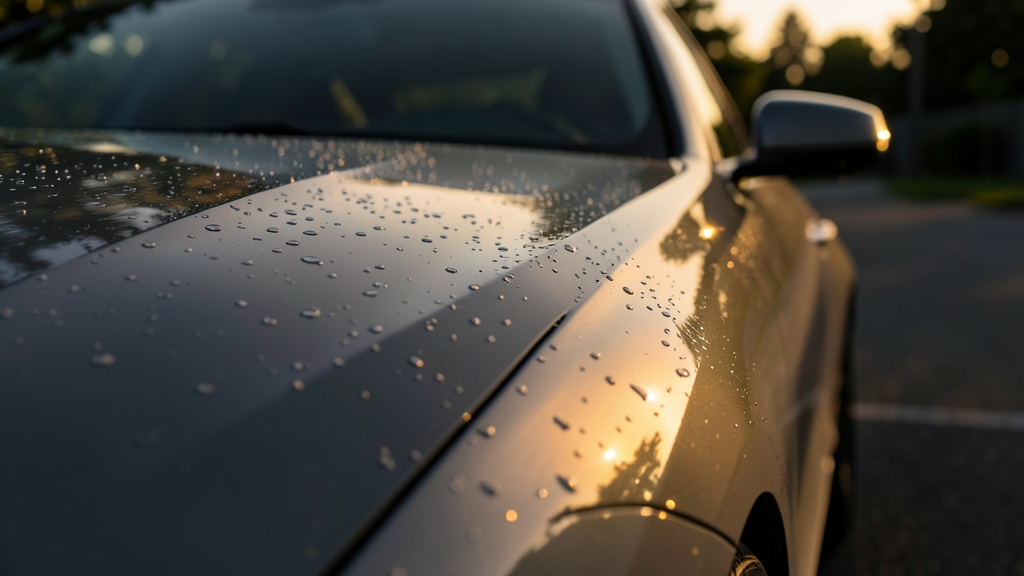
Ceramic coatings don’t last forever, but in Albuquerque’s high-altitude sun and dry heat, the right application can keep your paint protected for years. We break down real-world durability, what shortens or extends lifespan, and how local conditions like monsoon dust and intense UV impact performance.
What Ceramic Coating Lifespan Can You Realistically Expect?
Most professional-grade ceramic coatings last 2 to 5 years on daily-driven vehicles. In Albuquerque’s climate, that range often skews toward the higher end—if the prep and application are flawless.
Premium formulations with higher SiO2 content and stronger cross-linking can push toward 7 years with meticulous care. Budget or DIY coatings typically fade within 1 to 2 years under the same conditions.
| Coating Tier | Expected Lifespan | Key Factors |
|---|---|---|
| Consumer-Grade (DIY) | 1–2 years | Lower SiO2, minimal prep, frequent exposure to sun and dust |
| Professional-Grade (Entry) | 2–3 years | Better durability, basic paint correction, standard maintenance |
| Professional-Grade (Premium) | 3–5 years | High SiO2, full paint correction, regular upkeep |
| Elite (Multi-Layer) | 5–7+ years | Multi-layer application, rigorous prep, optimal care |
Albuquerque’s Climate: The Good and the Tough on Coatings
The high-altitude sun here accelerates UV damage, but ceramic coatings excel at blocking those rays. That’s a major advantage over traditional waxes or sealants, which break down in months.
Monsoon season brings dust, pollen, and occasional hail. While coatings resist light scratches and water spots, heavy debris can still etch the surface if not washed promptly.
Albuquerque’s dry dust can cling to hydrophobic surfaces. A weekly rinse with a pH-neutral shampoo prevents buildup that can degrade the coating over time.
What Actually Shortens Ceramic Coating Lifespan?
Skipping paint correction leaves swirls and contaminants that prevent proper bonding, cutting lifespan in half.
Harsh chemicals like automatic car washes with strong detergents or acidic wheel cleaners strip the coating faster. Even bird droppings and bug splatter, if left too long, can etch through the layer.
Physical abrasion from improper washing (dirty mitts, coarse towels) or frequent brush car washes wears the coating down prematurely.
Never use wax or sealant over a ceramic coating. These products can interfere with the coating’s hydrophobic properties and reduce longevity.
How to Maximize Your Coating’s Life in New Mexico
Start with full paint correction. This ensures the coating bonds to a clean, smooth surface, maximizing adhesion and durability.
Wash your vehicle every 1–2 weeks with a pH-neutral shampoo and microfiber mitts. This removes contaminants before they cause damage.
Apply a ceramic-boosting spray every 3–6 months to refresh hydrophobic properties and fill minor gaps in the coating matrix.
Park in a garage or under shade when possible. While coatings resist UV, constant exposure in Albuquerque’s intense sun will degrade them faster.
Ceramic Coating vs. Paint Protection Film (PPF) in Albuquerque
Ceramic coatings and PPF serve different purposes. Coatings add a durable, glossy layer that repels water and contaminants, while PPF is a physical barrier against rock chips and deeper scratches.
For Albuquerque drivers, combining both provides strong protection: PPF on high-impact areas (hood, bumper) and a ceramic coating over the entire vehicle for UV and chemical resistance.
PPF lasts 5–10 years but requires replacement when damaged. Ceramic coatings, while not as tough against impacts, are easier to maintain and refresh.
Signs Your Ceramic Coating Is Failing
Water no longer beads or sheets off the surface. This indicates the hydrophobic layer has worn thin.
The paint looks duller or less glossy, even after washing. Coatings enhance shine, so a loss of luster is a red flag.
Swirl marks or scratches appear more easily. A healthy coating resists light marring; if these show up, the protective layer is compromised.
Contaminants like tar or bug splatter stick harder and require more effort to remove. A fresh coating repels these effortlessly.
Quick Coating Health Check
- Test water beading with a spray bottle
- Inspect gloss and reflectivity in sunlight
- Check for increased swirl visibility
- Note if contaminants cling longer than usual
When to Reapply or Refresh Your Coating
If your coating is under 2 years old but showing early signs of wear, a professional refresh with a top-up layer can restore performance without a full reapplication.
For coatings older than 3 years, a full removal and reapplication is usually best. This ensures proper bonding and even protection across the entire vehicle.
In Albuquerque, we often recommend a maintenance inspection every 12–18 months to assess the coating’s condition and address any issues early.
How to Test if Your Ceramic Coating Is Still Active
A simple at-home test can reveal whether your coating is still performing.
- 1Water Beading Test
Spray a fine mist of water on a clean, dry panel. If the coating is active, water will bead tightly and roll off. Flat, spreading droplets mean it’s worn.
- 2Sheeting Test
Pour a small amount of water from a cup onto the hood. A healthy coating will cause the water to sheet off in a continuous film.
- 3Finger Swipe
After spraying water, gently run your finger through the droplets. On a good coating, water should reform into beads almost instantly.
- 4Contaminant Check
Apply a small amount of detailing clay to the surface. If it glides smoothly, the coating is intact. If it drags or picks up grime, the coating may be failing.
- 5Visual Inspection
Examine the paint under direct sunlight. A well-maintained coating enhances gloss; dullness or hazing suggests it’s time for a refresh.
Frequently Asked Questions
Does ceramic coating last longer in Albuquerque than in other climates?
Yes and no. Albuquerque’s dry heat and high UV can degrade coatings faster, but the lack of humidity and salt (compared to coastal areas) reduces corrosion-related wear. With proper care, coatings here often hit the upper end of their expected lifespan.
Can I apply ceramic coating over existing paint protection film?
Yes, but the PPF must be clean and fully cured (typically 24–48 hours after installation). Ceramic coating over PPF adds hydrophobic properties and UV resistance, extending the film’s life and ease of maintenance.
How does ceramic coating compare to wax for Albuquerque’s dusty conditions?
Ceramic coatings outperform wax in every way for our climate. Wax lasts weeks, requires frequent reapplication, and offers minimal UV protection. Ceramic coatings last years, repel dust better, and resist sun damage—critical for vehicles in Rio Rancho, Corrales, or Los Lunas.
What’s a good way to wash a ceramic-coated car in Albuquerque?
Use the two-bucket method with a pH-neutral shampoo and microfiber wash mitts. Rinse frequently to avoid dragging dust across the surface. Avoid automatic car washes with brushes, as they can introduce swirls.
Do ceramic coatings prevent rock chips on Albuquerque highways?
No. Ceramic coatings add a hard, protective layer but are not thick enough to stop rock chips. For that, Paint Protection Film (PPF) is the better choice. Many local drivers in Bernalillo or Los Ranchos combine both for full protection.
Is ceramic coating worth it for older cars in Albuquerque?
It depends on the paint’s condition. If the clear coat is oxidized or peeling, paint correction may be needed first. For well-maintained older vehicles, a coating can restore gloss and protect the paint from further sun damage, adding value and longevity.