Avoid These Common Ceramic Coating Application Mistakes in Albuquerque in Ceramic Coating Albuquerque, NM
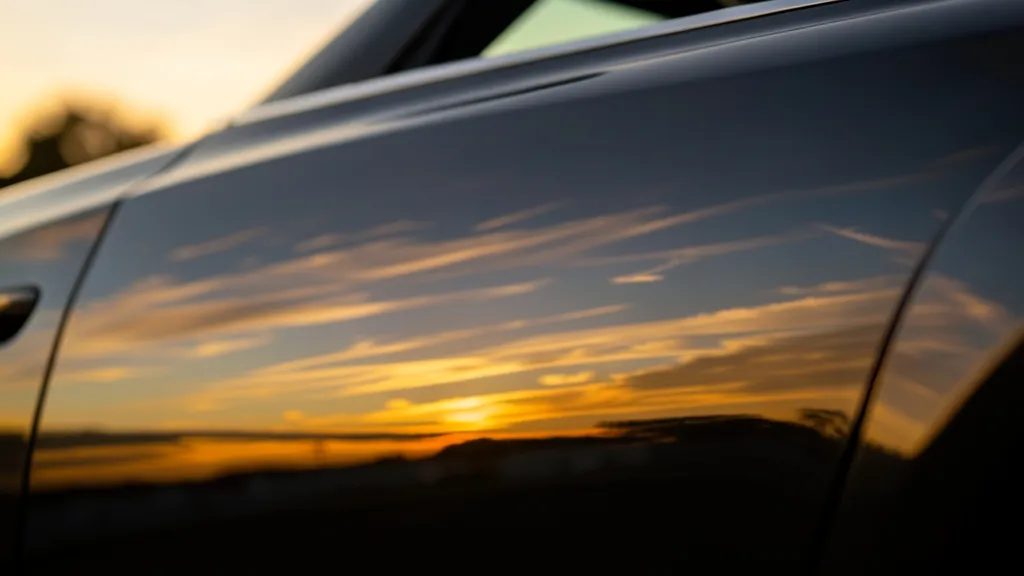
Ceramic coatings deliver unmatched gloss and protection, but one wrong move can ruin the finish or waste the product. Our team sees the same preventable errors in Albuquerque shops and driveways—often tied to our dry climate and intense sun. Here’s how to apply it right the first time.
Skipping Paint Correction Before Coating
A ceramic coating locks in the current condition of your paint. If swirl marks, oxidation, or scratches exist, they’ll be permanently sealed under the coating.
In Albuquerque’s high-altitude sun, imperfections become even more visible under the coating’s deep gloss. Always start with professional paint correction and polishing.
Applying ceramic coating over damaged paint wastes the product and your time. Paint correction is non-negotiable for a showroom finish.
Inadequate Surface Prep and Decontamination
Even microscopic contaminants—like embedded iron particles or wax residues—can prevent proper bonding. Use a clay bar, iron remover, and IPA wipe-down to ensure a pristine surface.
Albuquerque’s dusty roads mean vehicles often carry fine abrasives. A thorough decontamination step is critical before any coating application.
Applying in Uncontrolled Environments
Temperature, humidity, and dust levels directly impact curing. Ideal conditions are 60–80°F with low humidity—common in Albuquerque but not always consistent year-round.
Avoid applying in direct sunlight or windy conditions, which can cause uneven curing or dust inclusion. A climate-controlled garage or professional bay is best.
Using the Wrong Applicator Tools
Cheap foam applicators or low-quality microfiber can introduce streaks or lint. Invest in high-grade, short-nap microfiber applicators and towels designed for ceramic coatings.
Albuquerque’s dry air can static-charge tools, attracting dust. Keep a lint roller handy and work in small sections to minimize contamination.
Applying Too Much or Too Little Product
Over-applying leads to thick, uneven layers that won’t cure properly, while under-applying results in weak protection and poor hydrophobicity.
Follow the manufacturer’s guidelines—typically a few drops per panel. In Albuquerque, we often see DIYers overcompensate for our harsh UV exposure, which backfires.
| Panel | Product Amount (Drops) | Notes |
|---|---|---|
| Hood | 4–6 | Work in 2x2 ft sections |
| Door | 2–3 | Avoid edges until final pass |
| Fender | 3–4 | Focus on high-impact areas |
| Roof | 5–7 | Use a step ladder for even coverage |
Ignoring Curing Times and Post-Application Care
Ceramic coatings require 24–48 hours to fully cross-link. Driving or exposing the vehicle to moisture (even Albuquerque’s rare rain) can compromise the finish.
Avoid washing, waxing, or using detail sprays for at least a week. For wheel or brake caliper ceramic coating, wait 72 hours before driving aggressively.
Resist the urge to test the hydrophobic effect immediately. Full durability and water behavior develop after the curing period.
Neglecting Multi-Layer Applications for Longevity
Single-layer applications may suffice for basic protection, but for Albuquerque’s extreme UV and temperature swings, we recommend 2–3 layers for maximum durability.
Each layer adds depth, gloss, and resistance to environmental damage. This is especially critical for fleet vehicles or daily drivers in areas like Rio Rancho or Los Lunas.
Forgetting About Non-Paint Surfaces
Ceramic coatings aren’t just for paint. Wheels, brake calipers, glass, and even interiors benefit from specialized ceramic products.
In Albuquerque, wheel ceramic coating is a game-changer—brake dust and road grime stick less, and cleaning becomes effortless. Headlight restoration paired with a ceramic coating also combats UV yellowing.
Surfaces to Consider for Ceramic Coating
- Full-vehicle paint
- Wheels and brake calipers
- Window glass (ceramic window tint or coating)
- Headlights (after restoration)
- Interior dash and leather (specialized products)
How to Properly Apply Ceramic Coating
Follow these steps to ensure a flawless, long-lasting ceramic coating application.
- 1Decontaminate the Surface
Wash the vehicle with a pH-neutral soap, then use a clay bar and iron remover to eliminate embedded contaminants. Finish with an IPA wipe-down.
- 2Perform Paint Correction
Use a dual-action polisher and appropriate compounds to remove swirl marks, scratches, and oxidation. Inspect under LED lighting.
- 3Apply in a Controlled Environment
Work in a dust-free, temperature-controlled space (60–80°F). Use a high-quality applicator and work in small, overlapping sections.
- 4Layer and Level
Apply the first layer evenly, then wait 5–10 minutes before buffing with a clean microfiber towel. Repeat for additional layers if desired.
- 5Allow Full Curing
Avoid water, sunlight, and driving for 24–48 hours. For wheel or brake caliper coating, extend this to 72 hours.
Frequently Asked Questions
How long does ceramic coating last in Albuquerque’s climate?
With proper prep and application, a professional-grade ceramic coating can last 3–5 years in Albuquerque. Our intense UV and temperature swings may shorten this slightly, so multi-layer applications and regular maintenance help extend longevity.
Can I apply ceramic coating myself, or should I hire a pro in Albuquerque?
DIY is possible, but the margin for error is slim—especially with our local dust and sun. Professionals have climate-controlled bays, proper tools, and experience with paint correction. For high-end vehicles or fleet coating, we always recommend a pro.
What’s the difference between ceramic coating and paint protection film (PPF)?
Ceramic coatings are liquid applications that bond with paint, offering UV protection, hydrophobicity, and enhanced gloss. PPF is a physical film that provides superior protection against rock chips and scratches. Many Albuquerque drivers combine both for ultimate protection.
How do I maintain my ceramic coating in Albuquerque?
Wash with a pH-neutral soap and microfiber mitt, avoid automated car washes, and use a ceramic-safe detail spray for touch-ups. Reapply a maintenance spray every 3–6 months to refresh hydrophobicity.
Is ceramic coating worth it for older cars in Albuquerque?
If the paint is in good condition after correction, yes. Ceramic coating can rejuvenate older vehicles by restoring gloss and protecting against further UV damage—common in Albuquerque’s high-altitude sun.
Do you offer ceramic coating services in Rio Rancho or Corrales?
Yes, we serve the entire Albuquerque metro area, including Rio Rancho, Corrales, Bernalillo, and Los Lunas. Our mobile team can also handle fleet or commercial vehicle coating on-site for businesses in these areas.