Best Practices for Maintaining Ceramic Coating on Your Car in Ceramic Coating Albuquerque
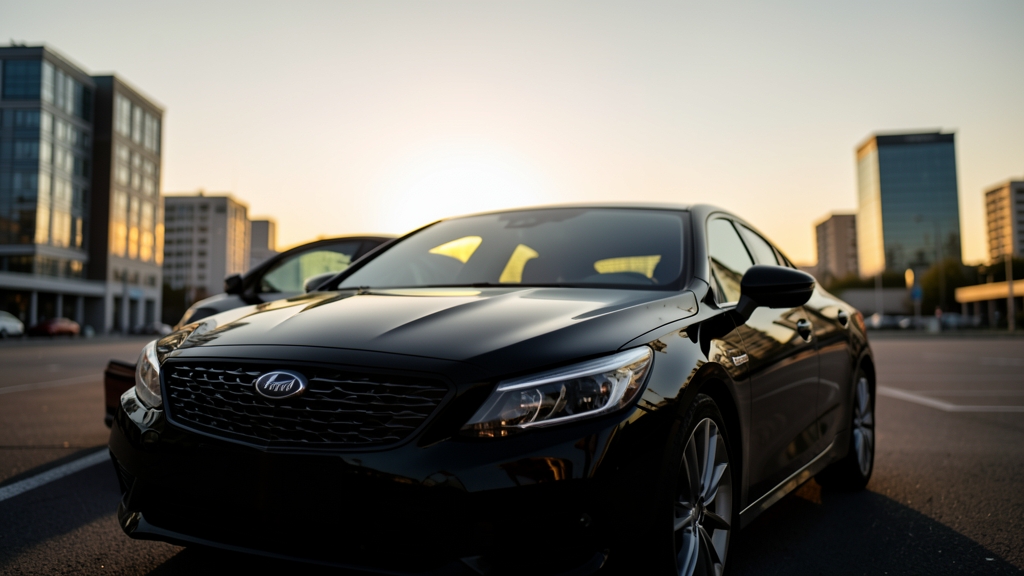
Ceramic coatings are a game-changer for paint protection, but they’re not maintenance-free. In our high-altitude desert climate, dust, UV rays, and hard water can take a toll faster than you’d expect. We’ll show you how to keep your coating performing like new for years.
Why Ceramic Coatings Need Regular Maintenance in Our Climate
Albuquerque’s intense sun and dry air accelerate oxidization and fade, even on coated surfaces. Without proper care, the hydrophobic properties degrade faster, reducing beading and self-cleaning efficiency.
Dust storms and road grit embed in the coating’s pores, creating micro-scratches that dull the finish. Hard water minerals leave stubborn spots that etch into the clear coat over time.
Brush-based car washes use abrasive materials that strip ceramic coatings and leave swirl marks. Stick to touchless or hand-wash only.
The Right Washing Technique for Coated Vehicles
Always start with a thorough rinse to remove loose dirt. Use a pH-neutral car shampoo—never dish soap or household cleaners, which break down the coating’s bond.
Wash in straight lines with a high-quality wash mitt, not circles, to minimize swirls. Rinse frequently to prevent dirt from re-settling on the surface.
Drying and Post-Wash Care to Prevent Water Spots
Use a clean, plush microfiber drying towel to blot—never drag—water off the surface. This prevents marring and ensures no minerals are left behind.
For extra protection, apply a ceramic coating maintenance spray after drying. These boost hydrophobic properties and replenish the coating’s gloss between professional re-applications.
Post-Wash Essentials
- Rinse with filtered or distilled water if possible
- Use a dedicated drying towel (never a bath towel)
- Apply a maintenance spray every 3-6 months
- Inspect for water spots or contamination
Decontamination: The Key to Longevity
Even ceramic coatings collect embedded contaminants like iron particles, tar, and industrial fallout. Use a clay bar or iron remover spray every 6 months to keep the surface smooth.
For stubborn spots, a light polish with a dual-action polisher can restore clarity without damaging the coating. Always test a small area first.
| Contaminant | Tool/Product | Frequency |
|---|---|---|
| Iron particles | Iron remover spray | Every 6 months |
| Tar/sap | Detailing clay or tar remover | As needed |
| Water spots | Vinegar solution or spot remover | After hard water exposure |
| Dust/grit | pH-neutral shampoo + wash mitt | Every 2 weeks |
Protecting Your Coating from Albuquerque’s Unique Challenges
Park in a garage or under a carport whenever possible to shield your coating from UV rays and hail. If parking outside, use a breathable car cover to prevent dust buildup.
After dust storms, rinse your car immediately to prevent abrasive particles from bonding to the surface. A quick waterless wash can help in a pinch.
Before winter, apply an extra layer of ceramic boost spray. Road salt and de-icing chemicals can accelerate coating breakdown if not removed promptly.
When to Consider Professional Touch-Ups or Reapplication
Ceramic coatings last 2-5 years, but their effectiveness diminishes over time. If water no longer beads or the surface feels rough, it’s time for a professional inspection.
For vehicles in Rio Rancho, Corrales, or Bernalillo, where dust and sun exposure are extreme, we often recommend a maintenance coating refresh every 18-24 months.
Pairing Ceramic Coating with Other Protective Services
For maximum protection, combine ceramic coating with Paint Protection Film (PPF) on high-impact areas like the hood, bumper, and fenders. PPF guards against rock chips while the coating handles chemical and UV resistance.
Ceramic window tint reduces heat and UV damage inside the cabin, while wheel and brake caliper coatings prevent brake dust from sticking. These services work together to keep your entire vehicle in top condition.
How to Safely Wash a Ceramic-Coated Car
Follow these steps to clean your coated vehicle without compromising its protective layer.
- 1Pre-Rinse
Use a pressure washer or hose to remove loose dirt and debris. Start from the top and work downward.
- 2Wash with pH-Neutral Shampoo
Fill a bucket with grit guards, add pH-neutral car shampoo, and wash one panel at a time using a wash mitt.
- 3Rinse Frequently
Rinse the mitt and panel often to avoid re-depositing dirt. This prevents swirl marks.
- 4Dry with Microfiber Towels
Pat the surface dry with a clean microfiber towel. Avoid dragging to prevent marring.
- 5Apply Maintenance Spray
Spray a ceramic coating maintenance product onto the surface and buff with a microfiber cloth to restore hydrophobicity.
Frequently Asked Questions
How often should I wash my ceramic-coated car in Albuquerque?
Wash every 2 weeks to remove dust and contaminants. In dust storm season, rinse immediately after exposure to prevent embedded grit.
Can I use a pressure washer on a ceramic-coated car?
Yes, but use a 40-degree nozzle and keep the pressure below 2,000 PSI. Avoid spraying directly at seams or delicate areas like mirrors.
What’s the difference between ceramic coating and wax?
Ceramic coatings bond chemically to the paint, lasting years and offering superior UV and chemical resistance. Wax is a temporary topping that lasts weeks and provides minimal protection.
Will ceramic coating prevent scratches?
Ceramic coatings add a hard layer that resists light scratches and swirls, but they’re not scratch-proof. For full protection, pair with Paint Protection Film.
How do I remove water spots from my ceramic coating?
Use a 50/50 mix of white vinegar and distilled water to dissolve mineral deposits. For stubborn spots, a dedicated water spot remover or light polish may be needed.
Is ceramic coating worth it for older cars in Ceramic Coating Albuquerque?
Absolutely, if the paint is in good condition. We often perform paint correction first to restore the surface before applying the coating, even on older vehicles in Los Lunas or Los Ranchos de Albuquerque.