Why Paint Correction Is Non-Negotiable Before Ceramic Coating in Albuquerque in Ceramic Coating Albuquerque, NM
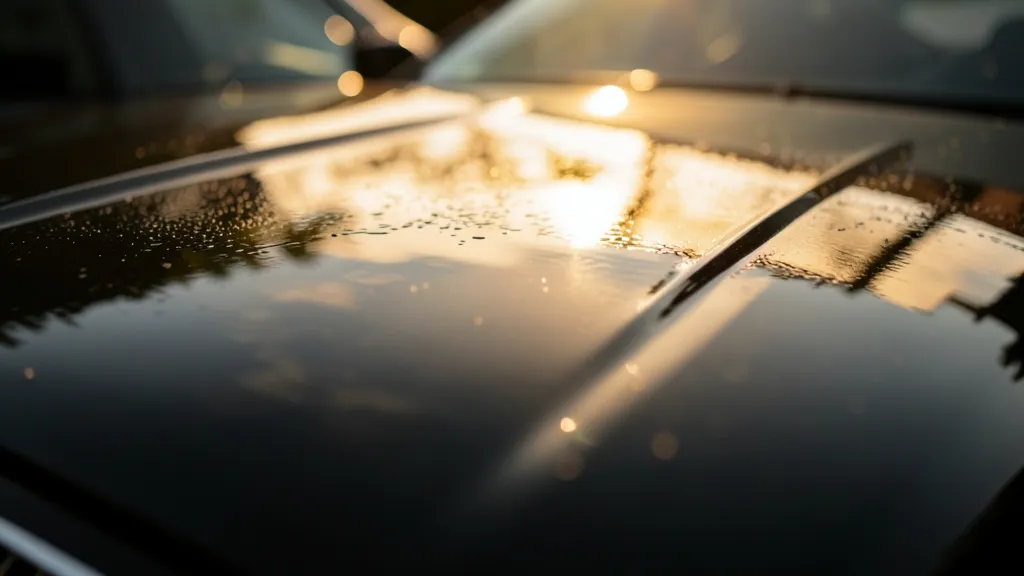
Ceramic coatings bond permanently to your vehicle’s clear coat—flaws and all. Without proper paint correction first, those swirls, scratches, and oxidation get locked in for years. We’ve seen it firsthand in Albuquerque: skipping this step wastes time, money, and the coating’s potential.
Ceramic Coatings Amplify Every Imperfection
A ceramic coating doesn’t hide defects—it magnifies them. The high-gloss finish reflects light in a way that exposes swirl marks, water spots, and holograms you never noticed before.
In Albuquerque’s intense sun, these flaws become even more pronounced. The coating’s hydrophobic properties also make imperfections stand out when water beads unevenly.
What Paint Correction Actually Fixes
Compounding removes deep scratches, oxidation, and heavy swirls by leveling the clear coat. This step is critical for older vehicles or those exposed to Albuquerque’s harsh UV and road grime.
Finishing polishes refine the surface to a mirror-like clarity, eliminating micro-scratches and buffer trails. The result is a smooth, defect-free base for the ceramic coating to adhere to.
| Defect | Cause | Correction Method |
|---|---|---|
| Swirl Marks | Improper washing or drying | Light compounding + finishing polish |
| Oxidation | UV exposure (common in NM) | Heavy compounding + restoration polish |
| Water Spots | Mineral deposits from hard water | Wet sanding or spot compounding |
| Holograms | Poor polishing technique | Finishing polish with fine pads |
| Buffer Trails | Aggressive machine polishing | Re-polishing with softer pad/compound |
The Science Behind Adhesion and Longevity
Ceramic coatings chemically bond to the clear coat at a molecular level. A rough or contaminated surface weakens this bond, reducing durability and hydrophobic performance.
Proper paint correction ensures maximum contact area. In Albuquerque’s climate, this means better resistance to UV fading, bird droppings, and road salt.
We always measure paint thickness with a micrometer before correction. Albuquerque’s high-altitude sun can thin clear coat faster than in milder climates—over-polishing risks burning through it.
DIY vs. Professional Paint Correction: Why It’s Not a Weekend Project
Amateur polishing often creates more problems than it solves. Holograms, uneven surfaces, and burned-through clear coat are common DIY mistakes we fix daily.
Professionals use dual-action polishers, precise compounds, and controlled lighting to achieve showroom-quality results. This is especially critical for luxury or classic vehicles in areas like Corrales or Los Ranchos de Albuquerque.
Cheap polishing kits from auto parts stores lack the refinement needed for ceramic coating prep. We’ve seen vehicles from Rio Rancho and Bernalillo where DIY attempts left permanent damage.
How Paint Correction Extends Ceramic Coating Life
A flawless surface allows the ceramic coating to cure evenly, maximizing its hydrophobic and self-cleaning properties. This means easier maintenance and longer-lasting protection against Albuquerque’s dust storms and monsoon seasons.
Vehicles with proper prep often see their coatings last 5+ years, while those without may start failing in as little as 2–3. The upfront investment in correction pays off in longevity.
When Paint Correction Isn’t Enough: The Role of PPF
For vehicles in high-impact areas—like Los Lunas or Bernalillo—paint protection film (PPF) may be recommended before ceramic coating. PPF shields against rock chips and deep scratches that correction can’t prevent.
We often combine PPF on high-risk areas (front bumper, hood, fenders) with full-vehicle ceramic coating for comprehensive protection. This hybrid approach is popular among fleet and commercial clients in Albuquerque.
Local Considerations: Albuquerque’s Unique Challenges
Our high-altitude sun accelerates oxidation and clear coat degradation. Paint correction here isn’t just about aesthetics—it’s about preserving your vehicle’s value in a climate that’s tough on finishes.
Dust storms and monsoon seasons mean more frequent washing, which can introduce swirls if not done properly. A corrected, coated surface resists these issues far better than untreated paint.
Signs Your Vehicle Needs Correction Before Coating
- Visible swirl marks or spiderwebbing under direct light
- Dull, faded, or chalky paint (common in older NM vehicles)
- Water spots that don’t wash off
- Rough texture when running your hand over the paint
- Holograms or buffer trails from previous detail attempts
How to Prepare Your Vehicle for Ceramic Coating (The Right Way)
Follow these steps to ensure your paint is ready for long-term ceramic protection.
- 1Deep Clean and Decontaminate
Wash with a pH-neutral shampoo, then use a clay bar to remove embedded contaminants. Albuquerque’s road grime often requires iron-removing pre-sprays.
- 2Inspect Under Proper Lighting
Use a high-intensity LED light or sunlight to identify swirls, scratches, and oxidation. Halogen lights miss critical defects.
- 3Measure Paint Thickness
A paint thickness gauge ensures you don’t over-polish. Thin clear coat (common in NM) may limit correction aggressiveness.
- 4Compound Heavy Defects
Start with a coarse compound and dual-action polisher to remove deep scratches and oxidation. Work in small sections.
- 5Refine with Finishing Polish
Switch to a fine polish and soft pad to eliminate micro-scratches and restore clarity. This step is non-negotiable before coating.
- 6Final Cleanse and Prep
Use an isopropyl alcohol (IPA) solution to remove all polishing oils and residues. The surface must be 100% clean for the coating to bond.
Frequently Asked Questions
Can I apply ceramic coating over minor swirl marks in Albuquerque?
No. Ceramic coatings lock in existing defects, making them more noticeable. Even minor swirls will show under the coating’s high-gloss finish, especially in our bright sunlight. Paint correction is always the first step.
How long does paint correction take for a full-vehicle ceramic coating?
A thorough correction typically takes 1–3 days, depending on the vehicle’s size and paint condition. Rush jobs often miss defects, leading to poor coating adhesion. We recommend scheduling ample time, especially for larger vehicles or those from areas like Rio Rancho with heavy sun damage.
Is paint correction included in ceramic coating services in Albuquerque?
It varies. Some packages include light correction, but heavy defect removal usually requires a separate service. Always ask for a paint inspection and quote upfront—factors like oxidation level and vehicle age drive the cost and time.
Will paint correction remove all scratches from my car?
It depends on the scratch depth. Clear coat scratches can often be fully removed. Deeper scratches that penetrate the base coat may need touch-up paint or PPF. We’ll assess your paint’s condition during the initial consultation.
Does ceramic coating replace the need for wax or sealants in Albuquerque?
Yes, and then some. Ceramic coatings offer far superior durability, UV protection, and hydrophobic properties compared to traditional wax or sealants. Once applied, you’ll only need maintenance washes—no reapplication for years.
What’s the difference between paint correction and paint protection film (PPF)?
Paint correction fixes existing defects in your clear coat, while PPF is a physical barrier that prevents new damage. Many Albuquerque drivers combine both: correction to perfect the paint, then PPF on high-impact areas followed by a ceramic coating for full protection.