How to Test the Quality of Your Ceramic Coating in Albuquerque in Ceramic Coating Albuquerque, NM
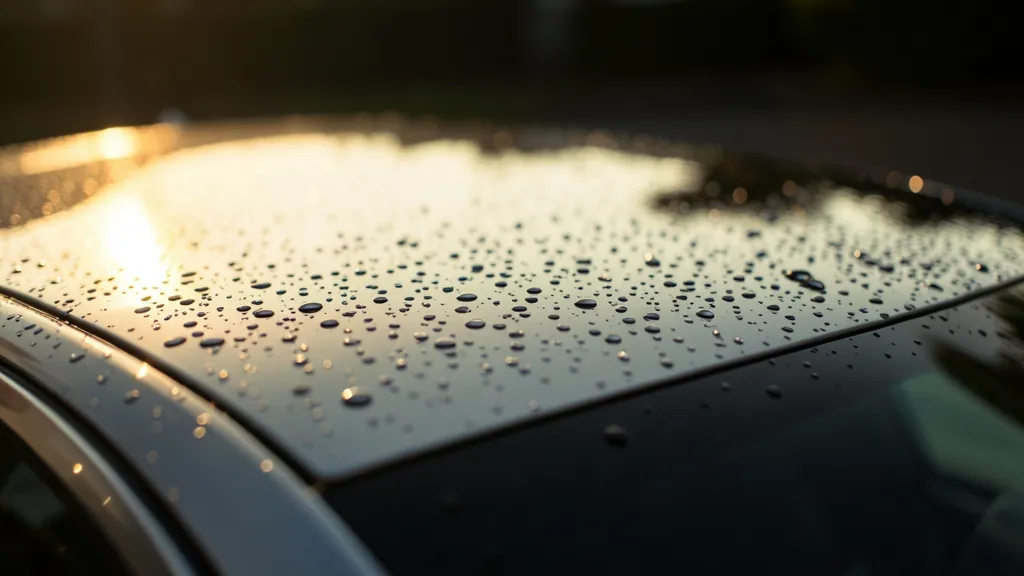
A high-quality ceramic coating should repel water, resist scratches, and maintain gloss for years—especially under Albuquerque’s intense sun and seasonal dust. But how do you verify it’s holding up? We’ll walk you through field-tested methods to assess your coating’s performance, so you can drive with confidence.
Why Testing Your Ceramic Coating Matters in New Mexico
Albuquerque’s high UV exposure and abrasive dust can degrade coatings faster than in milder climates. Regular checks ensure your investment stays protective.
A failing coating leaves paint vulnerable to oxidation, swirl marks, and etching—common issues we see on vehicles from Rio Rancho to Los Lunas.
The Water Beading Test: Your First Check
Spritz water onto a clean, dry panel. A fresh ceramic coating will form tight, high beads that roll off effortlessly. Weak or degraded coatings produce flat, lingering droplets.
This test works best on horizontal surfaces like the hood or roof. If beading is inconsistent, it may signal uneven application or wear.
Use distilled water for the most accurate beading test. Tap water minerals can skew results.
Contact Angle Measurement: The Science Behind Beading
A gloss meter or contact angle gauge measures how ‘slippery’ the surface is. Quality coatings achieve 110°+ contact angles, meaning water sits like a near-perfect sphere.
While not every driver has a gauge, local detailers in Corrales or Bernalillo often do—and can provide a quick, professional readout.
The Cross-Hatch Adhesion Test for Durability
Using a soft pencil or plastic tool, gently etch a grid pattern into the coating. A durable ceramic layer won’t peel or flake at the intersections.
This test is non-destructive if done carefully. It’s especially useful after a recent application to confirm proper curing.
Comparing Ceramic Coating Layers: What to Expect
Not all coatings are created equal. Single-layer consumer-grade products last 1–2 years, while professional multi-layer systems (like those we apply) can endure 5+ years with proper care.
Thickness and hardness (measured in pencils or nanometer ratings) directly impact scratch resistance and longevity.
| Coating Type | Layers | Durability | Best For |
|---|---|---|---|
| Consumer DIY | 1 | 1-2 years | Budget protection |
| Professional Grade | 2-3 | 3-5 years | Daily drivers |
| Premium Multi-Layer | 4+ | 5-7+ years | Luxury/collector vehicles |
| Hybrid (Ceramic + PPF) | Varies | 7-10+ years | Max protection in harsh climates |
The Fingerprint and Dust Test
Run a clean finger across the surface. A quality coating resists fingerprints and dust adhesion, making cleanup easier—critical in dusty areas like Los Ranchos de Albuquerque.
If smudges or dust cling stubbornly, the hydrophobic top layer may be wearing thin.
UV and Chemical Resistance Checks
Park your car in direct sunlight for a few hours. A strong coating won’t fade or yellow. Albuquerque’s UV index often exceeds 10 in summer, so this test is especially telling.
For chemical resistance, place a drop of mild automotive cleaner on the surface. It should bead and slide off without leaving a mark.
If water no longer beads or chemicals leave stains, it’s time for a maintenance top-up or full reapplication.
When to Call a Professional for Ceramic Coating in Albuquerque
If your tests reveal inconsistent beading, poor adhesion, or visible swirls, a pro can assess whether paint correction or a fresh ceramic layer is needed.
We also offer complementary services like Paint Protection Film (PPF) installation for high-impact areas, or ceramic window tint to match your coating’s UV resistance.
Signs Your Coating Needs Attention
- Water no longer beads tightly
- Surface feels rough or gritty
- Visible swirl marks or haze
- Reduced gloss or depth of shine
- Dust and dirt stick more than usual
How to Perform a Full Ceramic Coating Inspection
Follow these steps to thoroughly evaluate your coating’s condition at home.
- 1Clean the Surface
Wash and dry the car completely. Any dirt or residue will interfere with your tests.
- 2Test Water Beading
Spray water on multiple panels. Note consistency and bead shape—ideal beads are round and mobile.
- 3Check for Hydrophobic Sheeting
On a gently inclined surface, water should sheet off in a continuous layer, not break into droplets.
- 4Inspect for Swirls or Etching
Under bright light, look for fine scratches or water spots. These indicate the coating may no longer be protecting the clear coat.
- 5Assess Gloss Levels
Compare the shine to a known well-coated area. Dullness suggests the ceramic layer is thinning.
- 6Document Findings
Take notes or photos to track changes over time. This helps decide when to schedule maintenance.
Frequently Asked Questions
How often should I test my ceramic coating in Albuquerque?
We recommend a quick water beading test every 3–4 months, especially after harsh seasons. Full inspections should be done annually or if you notice performance drops.
Can I reapply ceramic coating over an existing layer?
Yes, but only if the existing layer is still in good condition. If it’s failing, we’d need to remove it first via paint correction to ensure proper bonding.
Does ceramic coating prevent all scratches?
No. While it resists light swirls, deeper scratches from keys or rocks require Paint Protection Film (PPF) for full defense. Many Albuquerque drivers combine both for maximum protection.
Why does my ceramic coating bead less in winter?
Cold temperatures can temporarily reduce hydrophobic performance. Once the surface warms, beading should return to normal—common in Bernalillo’s chilly mornings.
Is ceramic coating worth it for fleet vehicles in Los Lunas?
Absolutely. Fleet vehicles face constant exposure to sun, dirt, and frequent washing. A professional coating reduces maintenance time and preserves resale value.
What’s the difference between ceramic coating and wax?
Wax offers short-term shine and minimal protection, lasting weeks. Ceramic coatings bond to the paint, providing years of UV resistance, hardness, and hydrophobic properties.