Ceramic Coating vs. Graphene: Which Lasts Longer on Albuquerque Roads in Ceramic Coating Albuquerque
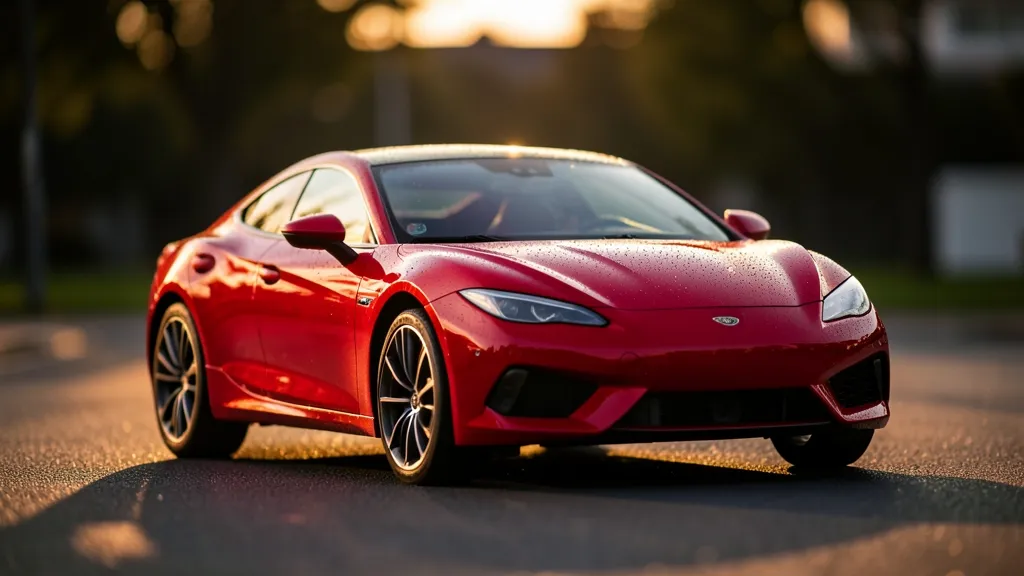
Albuquerque’s high-altitude sun, sand, and temperature swings put vehicle paint to the test. We break down how ceramic coating and graphene stack up in real-world durability, so you can choose the right shield for your ride.
Why Durability Matters in New Mexico’s Climate
Our high-desert conditions accelerate paint damage. UV rays are 25% stronger at 5,000+ feet, fading and oxidizing clear coats faster than at sea level.
Sand and gravel from I-40 or the West Mesa roads create micro-scratches, while winter road salt and summer monsoons introduce chemical contaminants that etch surfaces.
Ceramic Coating: The Proven Workhorse
Nano-ceramic coatings bond molecularly with your paint, forming a hydrophobic, UV-resistant layer. They’re the industry standard for long-term protection, with lifespans of 2–5 years depending on prep and maintenance.
We often pair them with paint correction in Rio Rancho or Corrales to ensure a flawless base. The result? A deep, mirror-like gloss that repels water, dirt, and light contaminants.
Ceramic coatings require meticulous paint correction first. Skipping this step traps swirls and defects under the coating permanently.
Graphene Coating: The New Contender
Graphene coatings use carbon-based nano-structures for extreme hardness and thermal conductivity. They’re thinner than ceramic but offer superior scratch resistance and heat dissipation—ideal for Albuquerque’s temperature extremes.
Early adopters in Los Lunas and Bernalillo report enhanced self-cleaning and a slicker finish. However, real-world longevity data is still emerging compared to ceramic’s proven track record.
Head-to-Head: Durability, Protection, and Longevity
Both excel at UV and oxidation resistance, but ceramic coatings have a slight edge in chemical resistance against bird droppings and industrial fallout common near the Rail Yards.
Graphene’s hardness (9H+) beats ceramic’s 7–9H, making it better at resisting fine scratches from blowing sand. Yet, ceramic’s thicker layer provides more sacrificial protection against deeper abrasions.
| Feature | Ceramic Coating | Graphene Coating |
|---|---|---|
| UV Protection | Excellent (99%+ block) | Excellent (99%+ block) |
| Scratch Resistance | 7–9H hardness | 9H+ hardness |
| Hydrophobicity | Very high (110°+ contact angle) | Very high (110°+ contact angle) |
| Thermal Stability | Good (up to 1,200°F) | Superior (up to 1,800°F) |
| Longevity | 2–5 years | 2–4 years (emerging data) |
| Self-Cleaning | High (dirt sheds easily) | Very high (slicker surface) |
| Chemical Resistance | Very high | High (slightly less proven) |
| Cost Factors | Depends on layers, prep, vehicle size | Depends on layers, prep, vehicle size |
Maintenance: Keeping Your Coating in Top Shape
Neither coating is maintenance-free. Regular washing with pH-neutral soaps prevents premature degradation. Automatic car washes with harsh brushes can wear down either coating over time.
For ceramic, we recommend a yearly maintenance spray to refresh hydrophobicity. Graphene may need more frequent touch-ups due to its thinner layer, especially after harsh winters in Los Ranchos de Albuquerque.
Coating Care Essentials
- Wash every 2 weeks with a microfiber mitt
- Use pH-neutral, coating-safe shampoo
- Avoid automatic brush car washes
- Apply maintenance spray every 6–12 months
- Remove bird droppings and contaminants immediately
Real-World Performance on Albuquerque Roads
On the sandy stretches of Coors Blvd or the sun-baked asphalt of Paseo del Norte, ceramic coatings hold up well against daily wear. Their thickness absorbs more abuse from road debris.
Graphene shines on high-heat areas like engine bays or near exhaust systems, but its thinner profile may show wear sooner on high-mileage vehicles. For fleet or commercial vehicles in Los Ranchos, ceramic’s durability often wins out.
Pairing Coatings with Other Protections
For maximum defense, we often combine ceramic coatings with Paint Protection Film (PPF) on high-impact areas like hoods and bumpers. PPF absorbs rock chips, while the coating handles the rest.
Wheel and brake caliper ceramic coatings are a smart add-on for Albuquerque drivers. Brake dust and road grime stick less, making cleaning easier and preventing corrosion.
PPF first, then ceramic coating on top creates a nearly bulletproof system. The film takes the hits; the coating keeps the surface slick and easy to clean.
Which Should You Choose?
If you want proven longevity and all-around protection, ceramic coating is the safe bet. It’s ideal for daily drivers, luxury vehicles, or anyone prioritizing gloss and ease of maintenance.
If you’re after cutting-edge scratch resistance and heat management—and don’t mind being an early adopter—graphene is worth considering. For track cars or performance vehicles, its thermal properties are a game-changer.
How to Decide Between Ceramic and Graphene Coating
Follow these steps to pick the right protection for your vehicle and driving habits.
- 1Assess Your Driving Conditions
Consider your typical routes. Heavy sand exposure or high heat? Graphene may be better. General daily driving? Ceramic is likely sufficient.
- 2Evaluate Your Vehicle’s Needs
High-end paint or a show car? Ceramic’s gloss and proven track record are ideal. Performance or track use? Graphene’s heat resistance shines.
- 3Determine Your Budget and Timeline
Both require similar prep, but graphene’s newer tech can come at a premium. Request a quote to compare costs for your specific vehicle.
- 4Think Long-Term Maintenance
Ceramic coatings are easier to maintain with established products. Graphene may need more frequent touch-ups as the tech matures.
- 5Consult a Local Expert
Our team can inspect your vehicle’s paint condition and discuss how each coating performs in Albuquerque’s unique climate.
Frequently Asked Questions
Does graphene coating last longer than ceramic in Albuquerque’s climate?
Not necessarily. While graphene offers superior scratch resistance, ceramic coatings often last longer in real-world conditions—especially with proper maintenance. Graphene’s longevity data is still catching up.
Can I apply graphene coating over an existing ceramic coating?
No. Graphene requires a bare, properly prepped surface to bond correctly. Layering it over ceramic would compromise both coatings’ performance.
Which coating is better for protecting against Albuquerque’s sand and UV rays?
Ceramic coatings have a slight edge for UV and chemical resistance, while graphene excels at scratch resistance from sand. For most drivers, ceramic is the all-around winner.
How often should I reapply ceramic coating in Ceramic Coating Albuquerque?
With proper care, a professional ceramic coating lasts 2–5 years. Annual maintenance sprays can extend its life and keep hydrophobicity strong.
Is graphene coating worth the higher cost for my daily driver?
For most daily drivers, ceramic coating offers better value. Graphene’s benefits are more noticeable in extreme conditions or for performance vehicles.
What’s a good way to maintain my coating in Albuquerque’s dusty conditions?
Wash your vehicle every 2 weeks with a pH-neutral soap and microfiber mitt. Remove contaminants like bird droppings immediately to prevent etching. Avoid automatic car washes with brushes.