Why Your Car Wash Water Matters for Ceramic Coating Longevity in Albuquerque in Ceramic Coating Albuquerque, NM
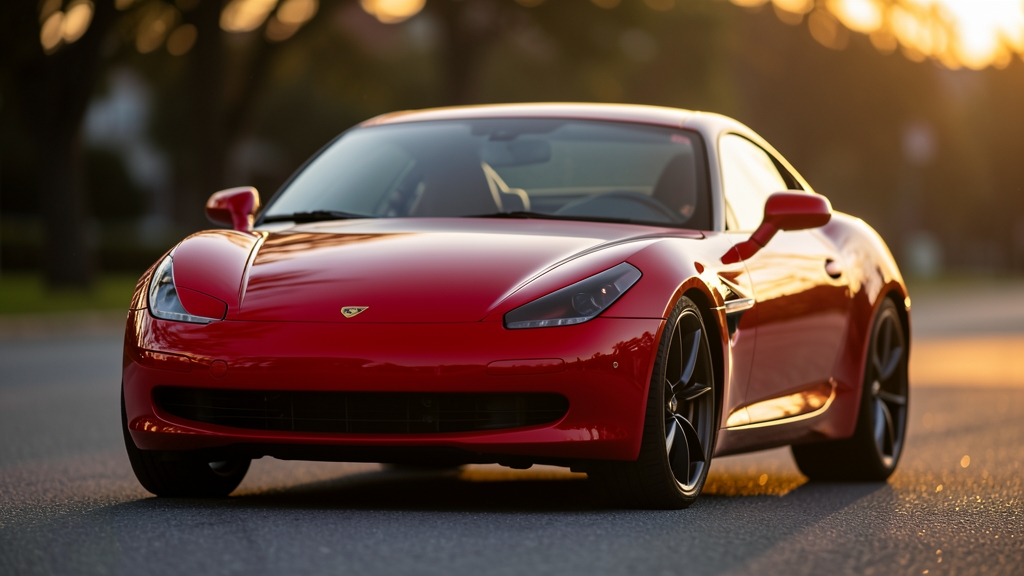
Even the toughest ceramic coating in Albuquerque can be undermined by poor water quality. Hard water leaves mineral deposits that etch into clear coat and degrade hydrophobic performance over time. We’ll show you how proper filtration keeps your coating—and your paint—looking flawless longer.
How Hard Water Damages Ceramic Coatings
Albuquerque’s tap water is notoriously high in calcium, magnesium, and other dissolved solids. When it evaporates on a coated surface, it leaves behind mineral spots that bond to the ceramic layer.
These deposits aren’t just unsightly—they create micro-scratches when wiped away, compromising the coating’s self-cleaning properties. Over time, this accelerates wear and reduces gloss.
Hard water also interferes with the coating’s hydrophobic behavior. Water should bead and sheet off; instead, it clings, leaving streaks and reducing protection.
The Role of TDS in Spot-Free Rinsing
Total Dissolved Solids (TDS) measure the impurities in your water. For ceramic coatings, anything above 50 ppm risks leaving spots. Ideal wash water sits below 10 ppm.
Deionized (DI) water, with near-zero TDS, is the gold standard. It rinses clean without residue, preserving the coating’s slickness and shine.
Reverse osmosis (RO) systems reduce TDS significantly but may need a DI polisher for the final rinse. This combo is common in professional detailing shops.
Water Filtration Systems Compared for Ceramic Coating Care
Not all filtration is equal. The best system for your needs depends on usage volume, budget, and how often you wash your coated vehicle.
Portable DI resin tanks are great for occasional detailers. Whole-house RO systems suit frequent washers but require maintenance.
| System Type | TDS Reduction | Pros | Cons |
|---|---|---|---|
| Deionized (DI) Resin | Near 0 ppm | Spot-free, portable, affordable | Limited capacity, needs replacement |
| Reverse Osmosis (RO) | 90-98% reduction | High volume, long-term cost-effective | Wastes water, slower flow |
| RO + DI Polisher | Near 0 ppm | Best of both worlds, consistent results | Higher upfront cost, maintenance |
| Carbon Filter | Minimal TDS reduction | Removes chlorine, improves taste | Does not address minerals |
Why DI Water is Non-Negotiable for Final Rinses
Even a single rinse with unfiltered water can undo weeks of protection. DI water ensures no minerals are left behind to bond with the ceramic coating.
For vehicles with full-vehicle ceramic coating or paint protection film in Rio Rancho and Corrales, DI rinses are critical. These areas see heavy mineral content in water supplies.
If you’re investing in wheel and brake caliper ceramic coating, don’t cut corners on the rinse. Brake dust and hard water are a recipe for etched surfaces.
Always use a separate DI spray bottle for final rinses if your main system isn’t DI. A gallon of DI water costs pennies compared to reapplying a coating.
Maintaining Your Filtration System for Long-Term Use
RO membranes need regular flushing to prevent scaling. DI resin turns color when exhausted—replace it before it fails mid-wash.
Store DI water in clean, sealed containers to avoid recontamination. Open buckets collect dust and debris, defeating the purpose.
For fleet and commercial vehicle coating clients in Los Lunas and Bernalillo, automated systems with TDS monitors ensure consistent water quality.
Filtration System Maintenance Checklist
- Check TDS levels before every wash
- Replace DI resin when exhausted (color change or TDS rise)
- Flush RO membrane weekly
- Store DI water in sealed, clean containers
- Test water quality monthly with a TDS meter
Common Mistakes That Ruin Ceramic Coatings
Using household water softeners isn’t enough. They replace calcium with sodium, which still leaves residue when it dries.
Skipping the final DI rinse after a wash is a top offender. Even RO water can leave trace minerals without that last pass.
Washing in direct sunlight causes water to evaporate too quickly, trapping minerals. Always wash in the shade, especially in Albuquerque’s dry climate.
Never use automatic car washes with recycled water on a ceramic-coated vehicle. The high TDS and abrasive brushes will damage the coating.
Pairing Water Filtration with Other Protective Services
Ceramic coating works best as part of a full protection strategy. Pair it with paint correction to remove swirls before application.
For maximum defense, combine ceramic coating with paint protection film (PPF) on high-impact areas like hoods and bumpers. PPF in Los Ranchos de Albuquerque often sees heavy road debris.
Interior ceramic protection and headlight restoration with coating are also smart add-ons. These services extend the life of your entire vehicle, not just the paint.
How to Set Up a DI Water System for Washing Your Ceramic-Coated Car
A basic DI water setup is easier than you think and pays off in coating longevity.
- 1Choose Your System
Decide between a portable DI resin canister or a permanent RO+DI setup. Portable is great for occasional use; permanent systems suit frequent washers.
- 2Install or Prepare
For portable DI, fill the canister with fresh resin. For RO+DI, install under a sink or in a garage with proper drainage.
- 3Test Water Quality
Use a TDS meter to check your tap water and the output of your system. Aim for <10 ppm for the final rinse.
- 4Wash with Filtered Water
Use your RO or filtered water for the soap and initial rinses. Save DI water for the final rinse only.
- 5Maintain Regularly
Monitor TDS levels and replace resin or membranes as needed. Keep a log to track performance over time.
Frequently Asked Questions
Does ceramic coating make my car maintenance-free?
No. While ceramic coatings reduce maintenance, they still require proper washing techniques and water quality to last. Hard water can degrade even the best coatings over time.
Can I use bottled water for washing my ceramic-coated car in Albuquerque?
Bottled water is better than tap but not ideal. It’s expensive for large volumes and may still contain minerals. A DI or RO system is the most cost-effective long-term solution.
How often should I replace DI resin for ceramic coating care?
It depends on usage and water hardness. In Albuquerque, expect to replace DI resin every 2-5 washes for a single vehicle. Monitor TDS levels closely.
Is reverse osmosis water safe for ceramic coatings?
Yes, RO water is safe and far better than tap. However, for the final rinse, adding a DI polisher ensures near-zero TDS for a truly spot-free finish.
What’s the best way to dry a ceramic-coated car after washing?
Use a high-quality microfiber towel or a blower like a leaf blower or dedicated car dryer. Avoid air drying, as it can leave water spots even with filtered water.
Do I need a different water filtration system for wheel ceramic coating?
Wheels endure more brake dust and grime, so pure water is even more critical. The same DI or RO+DI system used for the paint works perfectly for wheels and calipers.